Walking your dog safely around wildlife
How to enjoy countryside walks with your dog while giving wildlife the space it needs, including advice around nesting birds, deer, waterways and sensitive habitats.
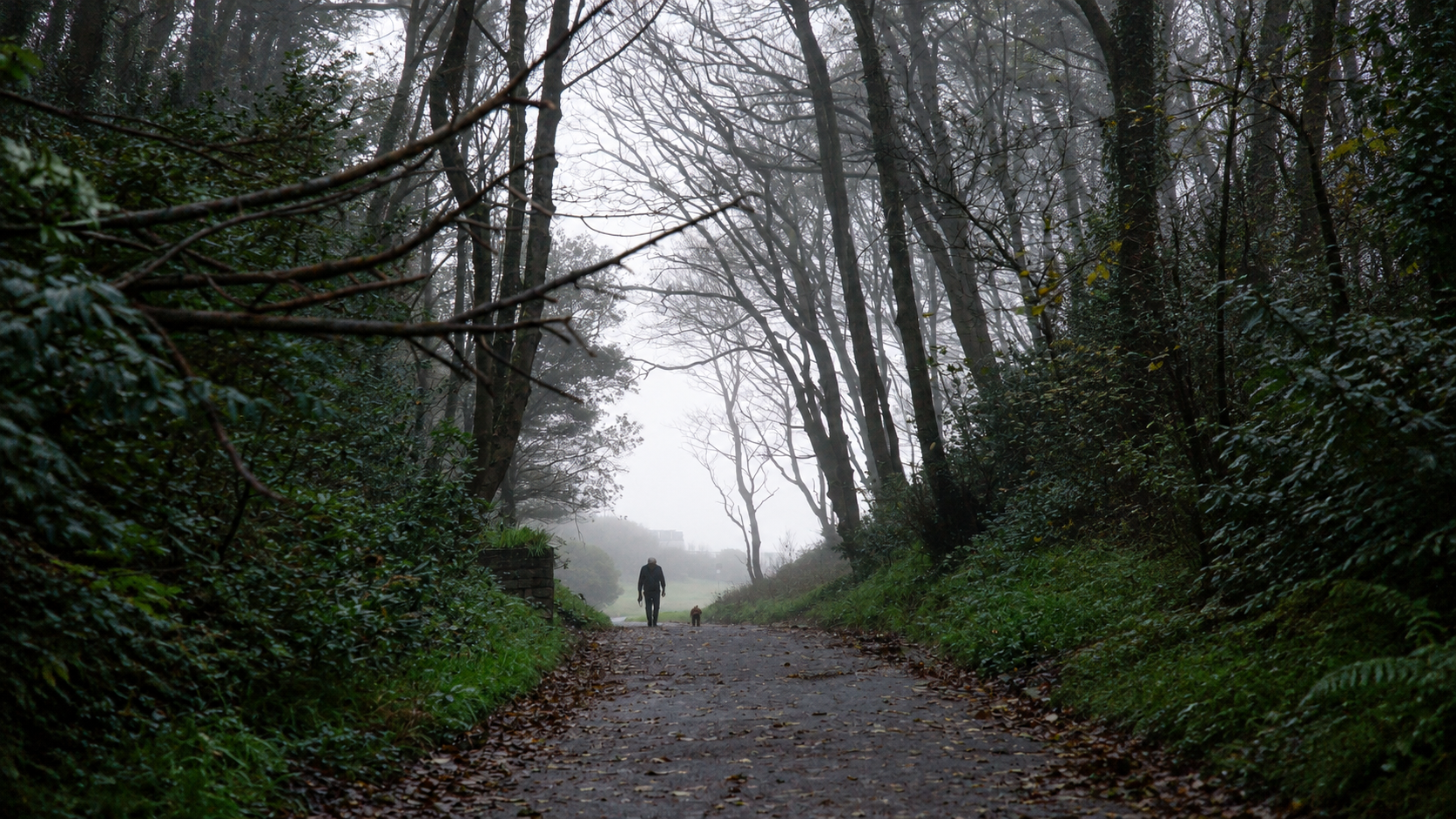
One of the best things about countryside walks is never quite knowing what you might see. Deer disappearing into woodland, birds along the shoreline or something moving through long grass can make a walk memorable — and incredibly exciting for our dogs.
Even a dog with reliable recall can react differently when wildlife suddenly runs or flies. Responsible walking doesn’t mean keeping your dog on a short lead everywhere, but it does mean recognising when to bring them closer, following local restrictions and giving wildlife enough space.
When to use a lead
There isn’t one rule that applies to every countryside walk. Whether your dog can safely be off lead depends on the location, wildlife, local restrictions and your own dog’s behaviour.
Bring your dog onto a lead when:
- wildlife is close to the path
- you’re entering a sensitive breeding or nesting area
- deer or other animals are nearby
- signs specifically request dogs on leads
- visibility is poor
- you’re unsure your dog’s recall will hold up against a distraction
On Open Access land in England and Wales, dogs must be kept on a lead no longer than two metres between 1 March and 31 July to protect ground-nesting birds. Other sites may have their own seasonal restrictions, so always check signs and local information.
Good recall is still important, but knowing when not to rely on it is just as valuable. If your dog has already become focused on a scent or movement ahead, clipping the lead on early is much easier than trying to recall them once a chase has started.
Ground-nesting birds and sensitive habitats
Not every bird nests in a tree. Species including skylarks, curlews and some coastal birds nest on or very close to the ground, often in grassland, heathland, dunes and moorland.
Their nests can be extremely well hidden, which means a dog running through vegetation can cause disturbance without you ever seeing what was there.
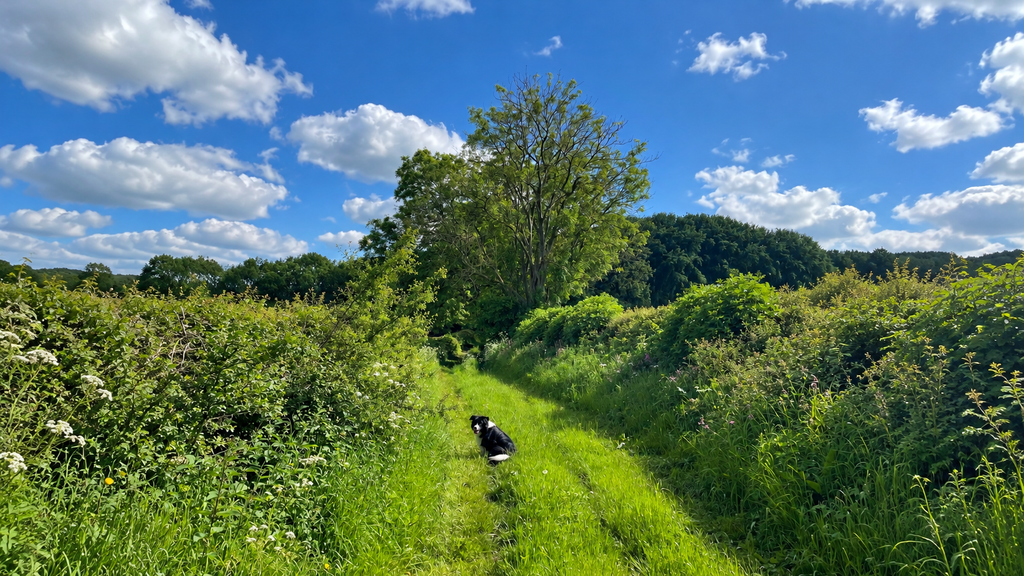
During the breeding season, stick to established paths where requested and keep your dog close. Temporary fencing, signs and seasonal lead restrictions should always be followed.
This is also where the simple “paws on paths” approach works well. In sensitive woodland, heathland or dunes, letting your dog sniff and explore along the path rather than disappearing into surrounding vegetation can significantly reduce disturbance.
Coastal walks deserve particular care too. Birds may nest amongst shingle and sand close to the shoreline, while young birds can be moving around before they’re able to fly.
Deer and other wildlife
Deer encounters can happen very quickly, particularly around woodland edges, parkland and quieter tracks.
If you’re somewhere deer are known to be present, bring your dog closer before you see them. Even dogs that normally ignore distractions can react instinctively when a deer suddenly runs.
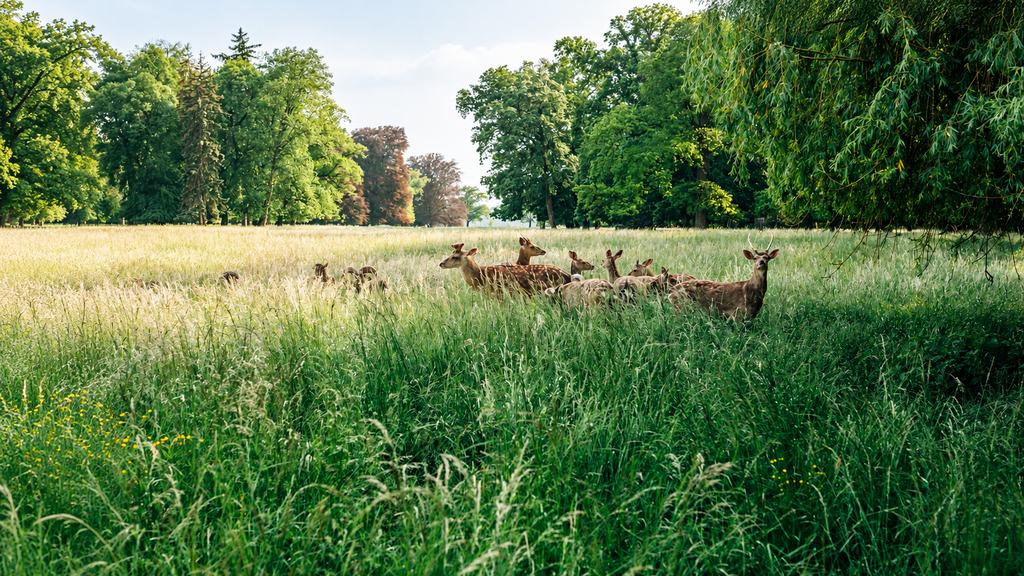
Give deer plenty of space and avoid allowing your dog to approach or chase them. Extra care is sensible when young deer may be present and during the autumn rut, when adult deer can behave differently from usual.
The same basic rule works well around other wildlife. If your dog becomes intensely interested in movement, scent or vegetation away from the path, call them back before curiosity turns into a chase.
Wetlands and waterways
Lakes, rivers and ponds can be one of the best parts of a dog walk, but they’re also important places for birds and other wildlife.
Before letting your dog swim, take a moment to look at what’s around you. Ducks, geese, swans and other water birds may move away when a dog approaches, even when the dog is simply curious.
If birds are feeding or resting nearby, keep your dog with you and give them space.
Not every stretch of water is suitable for dog swimming either. Reedbeds, small wildlife ponds and quiet wetland edges can be particularly sensitive. Where designated dog-swimming areas are provided, they’re usually a much better option.
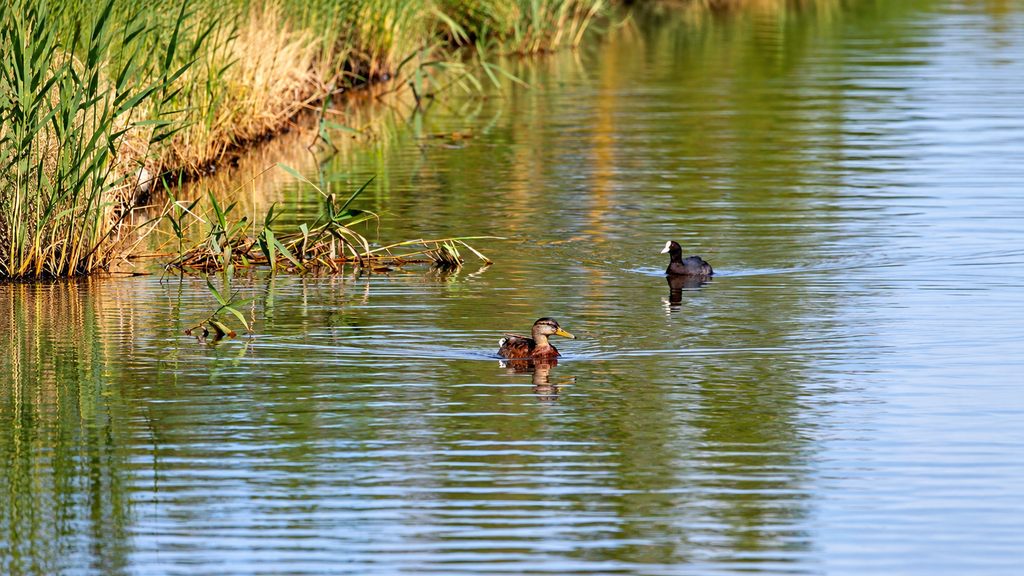
A river with no wildlife nearby can be very different from a small pond full of birds — use what’s happening around you to make the decision.
If your dog chases wildlife
Even with good management, dogs can occasionally react before we do.
If your dog starts to chase, use your normal recall cue rather than repeatedly shouting different commands. If they return, reward them and clip the lead on.
Avoid punishing your dog for eventually coming back. You still want returning to you to be worthwhile, even when they’ve made the wrong decision first.
Once they’re back, move away from the wildlife and keep them on lead until they’ve settled.
If chasing happens regularly, it may be a sign that your dog needs more management in wildlife-rich environments. A long line, earlier recall and choosing more suitable areas for off-lead exercise can all help.
If an animal appears injured after an encounter, keep your dog away and contact an appropriate wildlife rescue organisation for advice rather than attempting to handle it yourself.
Before you go
A few simple checks can make wildlife-friendly walks much easier.
Check the landowner or reserve website for seasonal restrictions, temporary closures and local dog rules, and pay attention to signs once you arrive — restrictions can change after a route or GPX file has been published.
It helps to carry:
- a lead you can clip on quickly
- a long line if appropriate for your dog
- treats or another useful recall reward
- water and waste bags
- an offline map or GPX file on unfamiliar routes
Before unclipping the lead, look around. Wildlife, livestock, other walkers and changes in terrain can all make an area less suitable for off-lead exercise than it first appears.
If you’re following a BandiBoo Walk, check the Dog suitability, Route warnings and Conditions & mapping information before heading out for anything specific to that route.
The BandiBoo takeaway
Walking responsibly around wildlife doesn’t mean keeping your dog on a short lead for an entire countryside walk.
A route might include open areas where your dog can safely explore, followed by woodland where deer are present or a short section where nesting birds mean the lead needs to go back on.
The important thing is being prepared to adapt as the walk changes.
Give wildlife space, follow local signs, know what excites your dog and get the lead on before you need it. That way, both you and your dog can enjoy wildlife-rich places without disrupting the animals that live there.
Keep reading
More useful guides
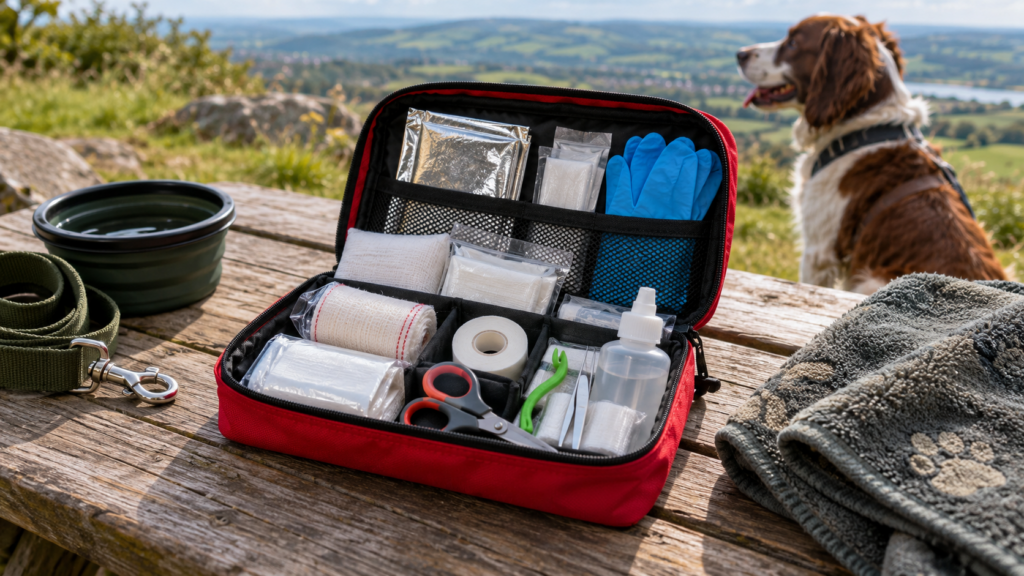
What to include in a dog first aid kit
A practical checklist for putting together a first aid kit for dog walks, days out and trips away.
Read guide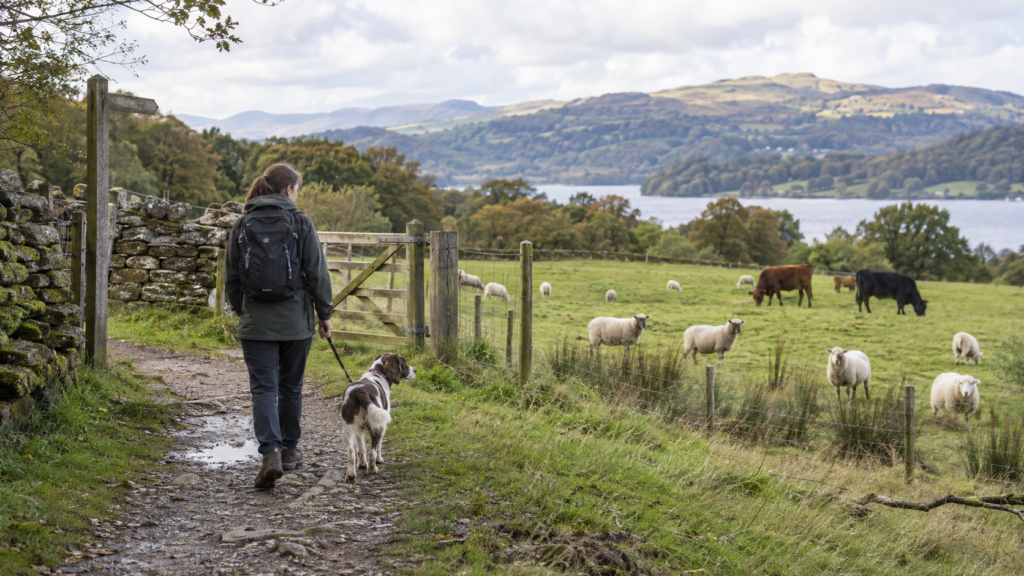
Walking Safely Around Livestock With Your Dog
Walking through farmland is part of what makes many countryside routes so enjoyable, but sharing fields and trails with livestock means taking…
Read guide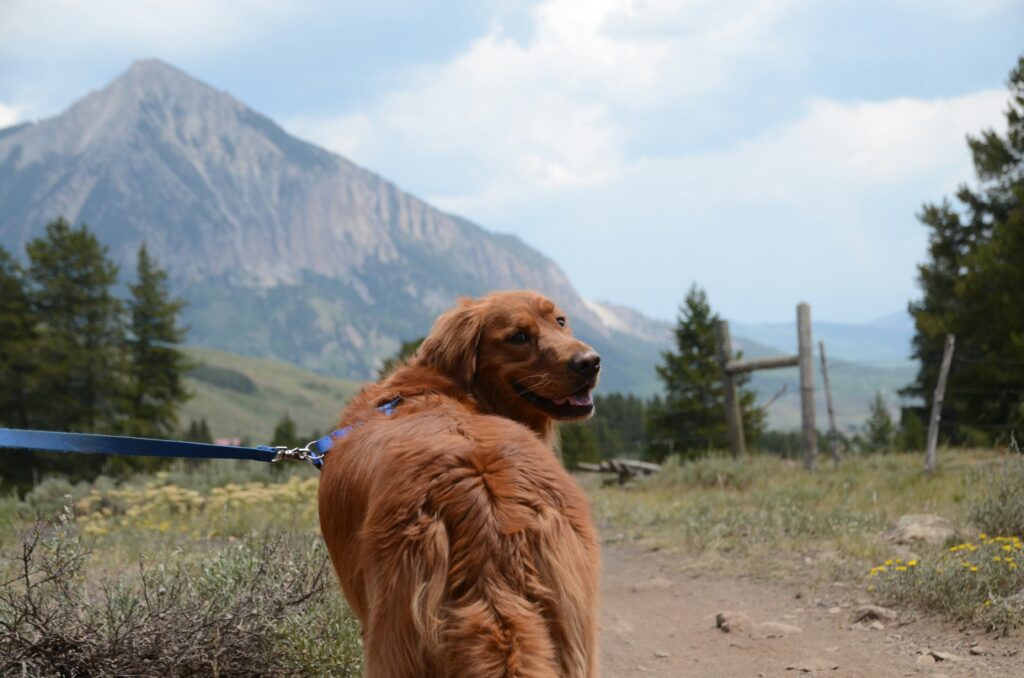
Preparing for a mountain hike with your dog: what to know before you go
Mountain walks ask more of dogs than ordinary countryside routes. Here’s how to assess fitness, terrain, weather, livestock, water and route difficulty…
Read guide